
The Impact of Sensory Overload on Behavior in Children and Youth
August 15, 2025
Working in childcare means being attuned to children’s emotional and physical needs every day. But what happens when a child suddenly starts hitting, yelling, or biting — and it seems to happen without reason? One common yet often misunderstood cause is sensory overstimulation. Recognizing sensory triggers can help you reduce challenging behaviors and create a calm, supportive environment for all children, especially those with sensory processing differences.
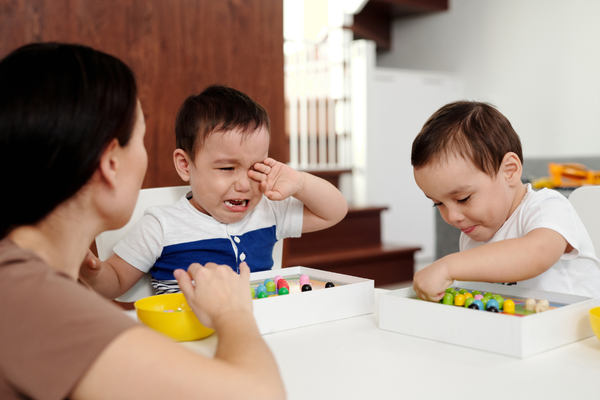
Behavior Is Communication
Understanding the “why” behind behavior helps you move from reacting to supporting. When you identify sensory triggers and minimize environmental stressors, you empower children to feel safe, understood, and ready to learn.
What Is Sensory Overstimulation?
Sensory overstimulation occurs when a child experiences more sensory input than their nervous system can handle. This might include sounds, lights, textures, smells, or even social interactions. When overwhelmed, a child’s brain can enter a “fight or flight” state, making it difficult to stay calm or focused. Children with sensory processing challenges may struggle to regulate their behavior in everyday settings.
For some children—especially those who are neurodivergent, such as those with autism or ADHD— physical behaviors can become a way to communicate or protect themselves.
Common Sensory Triggers in Childcare Settings
Sensory input can feel overwhelming for some children in different environments. Common triggers include:
- Loud noises: crying, chatter, vacuum cleaners, or loud music
- Bright or flickering lights, especially fluorescent lighting
- Crowded spaces with lots of movement
- Unexpected touch, such as bumps or hugs
- Scratchy clothing or sticky hands from textures
- Strong smells from cleaning products, food, or perfume
Every child is different — what soothes one may overwhelm another.
Why Overstimulation Can Lead to Unwanted Behavior
When a child feels overloaded, their body releases stress hormones like cortisol and adrenaline. Since many young children lack the words to say “This is too much,” they might instead:
- Push or hit to create space
- Scream or cry to block out noise
- Bite or throw objects when frustrated
- Run away or shut down completely
These actions are not about defiance or control—they’re signs of a sensory meltdown. Unlike tantrums, meltdowns are involuntary responses to being overwhelmed by sensory or emotional input.
Strategies to Reduce Sensory Overload

- Create a Calming Corner
Designate a quiet, softly lit space with gentle textures, weighted pillows, or calming visuals. Encourage children to take a break there whenever they need to.
- Use Visual Schedules
Many children feel more secure when they know what to expect. Picture schedules help them prepare for transitions and daily routines.
- Keep Noise Levels in Check
Speak softly, limit background sounds, and build in quiet times. Noise-canceling headphones can also help sensitive children.
- Be Mindful of Lighting
Whenever possible, use natural light or cover harsh fluorescent bulbs with filters. Avoid flickering lights that can trigger discomfort.
- Offer Sensory Activities
Activities such as water play, kinetic sand, or sensory bins give children a safe way to meet sensory needs and build self-regulation skills.
- Watch for Early Signs
Red cheeks, fidgeting, covering ears, or pacing can all indicate rising overstimulation. Step in early to provide calm and reassurance before a meltdown occurs.
Partnering With Families
When you observe sensory triggers in a child, share your insights with their family. They may have noticed similar patterns at home. Working together ensures consistency and gives the child the best possible support.
With patience, awareness, and small environmental adjustments, you can create a space that supports every child’s unique sensory needs while reducing challenging behaviors.
Want to continue learning about disability inclusion and behavior support? Explore our KIT Academy courses and discover training designed to help you build more inclusive, responsive childcare environments.